


Confronting climate change can feel daunting, especially as its impacts become increasingly visible in our communities and natural systems. For decades, we’ve understood the root causes, but today, there’s growing clarity on how to address them.
Encouragingly, we’re seeing substantial progress. Breakthroughs in renewable energy, electric transportation, and energy efficiency are rapidly transforming industries.
Meanwhile, international collaboration is reaching unprecedented levels, with countries like Canada, China, India, and the United States aligning efforts to confront this global challenge. The momentum is real—and building.
As the realities of climate change grow more apparent, so too do the pathways to meaningful solutions. The tools, knowledge, and willpower to mitigate this crisis are in place. Now is the time to act decisively.
Read More: Effective Solutions for Combating Climate Change
Phasing Out Fossil Fuels: A Critical Step Toward Climate Stability
The most crucial action we can take to confront climate change is to rapidly reduce our dependence on fossil fuels.
The combustion of coal, oil, and natural gas across sectors—including buildings, industry, and transportation accounts for more than 75 percent of global greenhouse gas emissions, according to the United Nations.
Beyond driving climate disruption, these energy sources also pose severe risks to ecosystems and human health.Transitioning to clean, renewable energy is both urgent and achievable. Technological advancements and falling costs have made solar, wind, and other clean sources more accessible than ever.

Yet, to limit global warming to 1.5°C and avoid the most catastrophic consequences, the Intergovernmental Panel on Climate Change warns we must cut global emissions by at least 45 percent below 2010 levels by 2030.Progress is underway.
Wind and solar reached a record 10 percent of global electricity generation in 2021, and projections show that by 2030, renewable and nuclear sources could provide up to 80 percent of U.S. electricity—if investments are made in modernizing grid infrastructure and expanding transmission capacity.
Simultaneously, the auto industry and governments are laying the groundwork for a future dominated by zero-emission vehicles. The path forward is clear, but the pace must accelerate.
Maximizing Energy Efficiency: The Hidden Powerhouse of Climate Action
Often called “the first fuel,” energy efficiency is one of the most powerful and underutilized tools in the fight against climate change.
By reducing the amount of energy required to power our homes, businesses, and infrastructure, we lessen the demand for fuel—whether it’s from fossil sources or renewables like rooftop solar.
In fact, when viewed as a resource, energy efficiency has done more to meet U.S. energy demand over the past four decades than oil, coal, natural gas, or nuclear power.Efficiency strategies can be implemented across virtually every sector of the economy.
From modernizing power plants and electric grids to optimizing manufacturing processes, upgrading buildings, and improving vehicle performance, the opportunities are vast. Some measures, like shifting utility incentives through performance-based regulation, involve systemic change.
Others are remarkably straightforward: weatherproofing homes, installing reflective “cool roofs,” adopting high-efficiency heat pumps, or simply replacing incandescent bulbs with LEDs.
Together, these actions significantly reduce energy use, cut emissions, and lower costs—all while enhancing reliability and comfort. As we transition to a clean energy future, investing in energy efficiency is not just smart policy—it’s essential strategy.
Renewable Energy: Powering the Transition to a Sustainable Future
Shifting from fossil fuels to clean, renewable energy is fundamental to addressing the climate crisis. By replacing carbon-intensive sources with sustainable alternatives, we can drastically cut greenhouse gas emissions, improve public health, and create resilient energy systems for the future.
The most widely used forms of renewable energy include solar, wind, hydroelectric, and geothermal power.
These sources harness natural processes that are constantly replenished—sunlight, wind currents, flowing water, and underground heat—to generate electricity without emitting harmful pollutants.
As technology advances and costs continue to fall, these renewables are rapidly expanding their share of global energy production.
Solar Energy: A Cornerstone of the Clean Energy Future
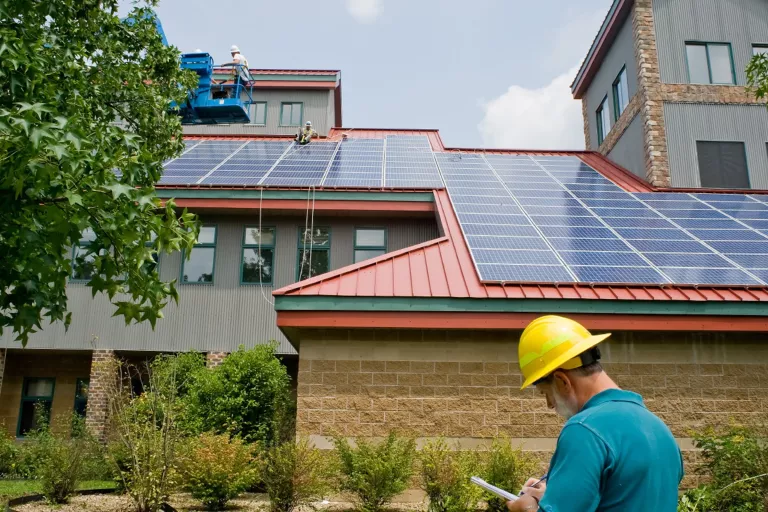
Solar energy is generated when sunlight is converted directly into electricity by photovoltaic (PV) cells—typically arranged in panels mounted on rooftops or at ground level. These cells capture solar radiation and transform it into clean, emissions-free power.
By 2030, projections suggest that one in seven U.S. homes will be equipped with rooftop solar systems, helping to significantly reduce carbon emissions while providing reliable electricity in both warm and cold climates.
Although solar currently provides just under 3 percent of U.S. electricity—enough to power approximately 18 million homes—it is the fastest-growing source of energy.
By 2035, solar could supply up to 40 percent of the nation’s electricity, and globally, it’s expected to account for more than half of all new electricity generation between 2020 and 2026.Of course, solar energy production depends on sunlight.
That’s where battery storage becomes essential. In 2021, over 93 percent of new U.S. battery capacity was installed alongside solar power plants. These batteries store excess energy for use at night or during peak demand periods, like hot summer afternoons when air conditioning loads strain the grid.
As we transition to a clean energy economy, battery storage will play a critical role in ensuring resilience, stability, and round-the-clock access to renewable power.
Wind Energy: A Rapidly Expanding Source of Clean, Affordable Power
Wind energy generates electricity through a straightforward yet powerful process: as wind moves the blades of a turbine, it spins a generator to produce electricity.
Unlike solar panels, which convert sunlight directly into energy, wind turbines rely on mechanical motion—but the result is the same: 100 percent clean, renewable power with zero emissions.
Currently, wind energy provides just over 9 percent of U.S. electricity and is growing rapidly as states and utilities embrace its low cost, scalability, and environmental benefits. States with expansive open land—such as Texas, Kansas, and Oklahoma—lead the way in onshore wind capacity.
However, some of the most promising opportunities lie offshore. Coastal wind farms can deliver steady, high-output electricity, often ramping up production in the evenings when household demand increases and solar output declines.
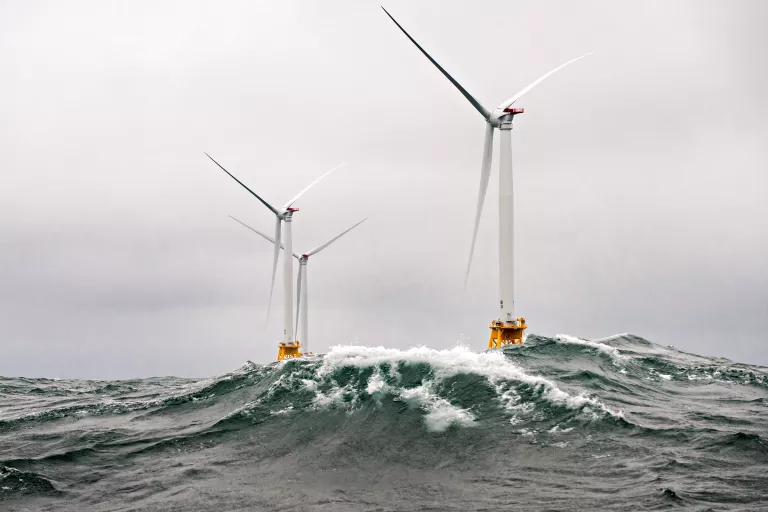
Offshore wind also complements other renewable sources by producing energy during cloudy or stormy conditions when solar generation dips.
With smart siting, rigorous planning, and strong protections for marine ecosystems and bird populations, offshore wind can play a critical role in the nation’s clean energy future—delivering large-scale, reliable power while minimizing environmental impacts.
Geothermal and Hydroelectric Energy: Unlocking the Power Beneath and Beyond
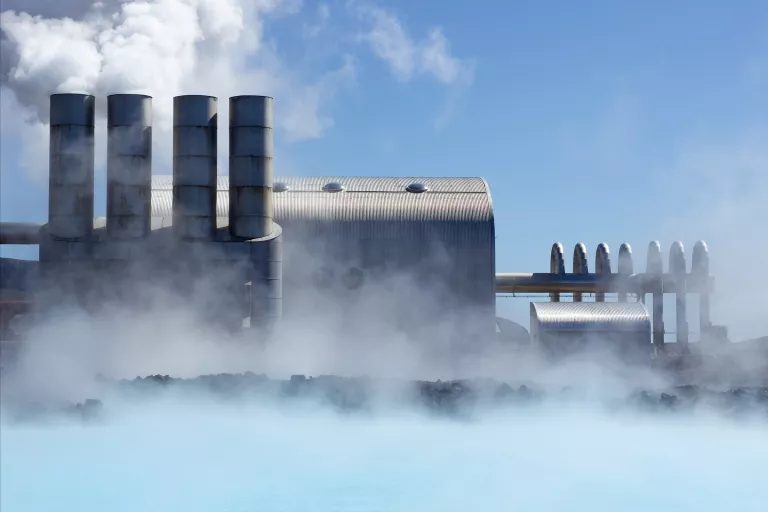
Beyond solar and wind, the natural forces of water—both from deep within the Earth and in motion across its surface—present remarkable opportunities for renewable energy generation. Geothermal energy harnesses the planet’s internal heat by drilling into subterranean reservoirs of superheated water.
Once brought to the surface, this thermal resource is converted into steam to drive turbines, producing clean electricity.
While the concept dates back to ancient civilizations, such as the Romans and their hot springs, today’s geothermal facilities prioritize sustainability by reinjecting used water and steam back into the Earth to maintain pressure and minimize environmental impact.
Nevertheless, modern geothermal projects must be developed with caution, as certain advanced extraction techniques have been linked to induced seismic activity.In contrast, hydroelectric power captures the kinetic energy of flowing water.
By directing water through pressurized conduits known as penstocks, hydroelectric stations leverage gravity to spin turbines and generate power.
When designed on a small scale and guided by stringent environmental standards, hydroelectric systems can offer a dependable and low-impact energy source.However, the story changes with large-scale hydroelectric developments, often called mega-dams.
While these structures can produce vast amounts of electricity, they also come with significant ecological and social costs—altering river ecosystems, fragmenting wildlife habitats, and displacing communities.
To ensure that both geothermal and hydroelectric energy contribute meaningfully to a sustainable future, their deployment must be guided by thoughtful site selection, robust environmental safeguards, and responsible technological practices.
Biomass Energy: Reassessing Its Environmental Impact
Biomass energy—the generation of electricity through the combustion of organic materials such as wood, agricultural byproducts, and animal waste—has long been promoted as a renewable alternative to fossil fuels. In practice, however, this approach often falls short of delivering meaningful environmental benefits.
In the United States, much of the biomass used for energy production is sourced from pine and hardwood forests, raising serious concerns about deforestation, biodiversity loss, and carbon emissions.
Contrary to industry claims, a growing body of scientific research indicates that biomass energy does little to reduce net carbon emissions. In many cases, it exacerbates environmental degradation by releasing significant amounts of carbon dioxide and undermining forest carbon sinks.
Despite these findings, several countries continue to subsidize biomass energy, influenced by persistent industry narratives that frame it as a clean and sustainable solution.
While public and political perceptions are beginning to shift—especially in light of increased scrutiny over the wood pellet trade and its environmental costs—the momentum behind biomass energy remains strong.
Meaningful progress will require stronger regulatory frameworks, transparent policymaking, and a commitment to science-based energy strategies.
Sustainable Transportation: Driving Toward a Cleaner Future
Transportation remains one of the leading sources of global greenhouse gas (GHG) emissions, making the decarbonization of this sector essential to achieving net-zero emissions by 2050, as outlined in the 2015 Paris Climate Agreement.As of 2021, electric vehicles (EVs) represented less than 8% of global vehicle sales.
However, by 2035, EVs are projected to comprise over half of all new car sales—a dramatic shift driven by both market momentum and regulatory ambition. Governments across the globe are no longer just imagining an all-electric future—they are actively enacting it.
Binding targets and phase-out mandates for internal combustion engine (ICE) vehicles are accelerating the transition, with 2035 widely seen as a pivotal year in this transformation.
Notably, EVs also offer grid-related advantages, serving as mobile energy storage systems that can return electricity to the grid during peak demand, thereby enhancing energy resilience and preventing outages.
However, reducing emissions from personal vehicles is only part of the solution. A truly sustainable transportation future must embrace a multi-modal approach that prioritizes access to clean, efficient, and affordable transit.

Expanding public transportation options—including buses, subways, streetcars, and ride-sharing services—alongside implementing smart policies such as congestion pricing, can significantly reduce vehicle miles traveled and lower overall emissions.
Promoting zero-emission modes of transport such as walking and cycling further enhances environmental and public health outcomes, but doing so requires substantial investment in infrastructure, urban planning, and equitable policy development.
Sustainable Buildings: Reducing Carbon Emissions from the Ground Up
Buildings are the largest source of carbon emissions in many U.S. cities, primarily due to the energy required for lighting, heating, cooling, appliances, and water heating.
Improving energy efficiency within residential and commercial spaces is one of the most effective strategies for reducing urban carbon pollution.
Simple upgrades—such as better insulation, high-efficiency windows, and smart energy systems—can significantly cut both energy consumption and greenhouse gas emissions.Public awareness plays a crucial role.
Helping individuals understand the cost-saving and climate benefits of adopting energy-efficient technologies is essential.

Programs like Energy Star in the United States and EnerGuide in Canada provide consumers with accessible options for certified appliances and systems, including heat pumps, which offer efficient, all-electric heating and cooling.However, individual action alone isn’t enough.
Achieving widespread building decarbonization requires strong leadership from both the private sector and government. This means replacing fossil fuel–based systems with clean, electric alternatives and making efficiency the standard in construction and renovation practices.
Policy mechanisms—such as municipal and state mandates for all-electric new construction and the adoption of the most advanced energy conservation building codes—can drive these changes at scale.
Better Forestry Management and Sustainable Agriculture: Protecting Our Natural Carbon Sinks
Forests, wetlands, grasslands, and healthy soils are some of our most powerful natural allies in the fight against climate change. These ecosystems act as critical carbon sinks, absorbing and storing vast amounts of carbon dioxide both above and below ground.
Without them, global temperatures would skyrocket to uninhabitable levels, making life on Earth unsustainable.Yet human activities continue to degrade these essential systems.
Clearcutting forests for timber and converting wetlands into developed land not only destroy biodiversity but also release large quantities of stored carbon back into the atmosphere.
In agriculture, the overuse of nitrogen-based fertilizers—derived from fossil fuels—and the continued reliance on industrial-scale livestock farming contribute significantly to greenhouse gas emissions, especially in the form of nitrous oxide and methane, two of the most potent climate pollutants.
Reforestation alone cannot counterbalance the damage caused by deforestation. The loss of old-growth forests—like those in the Amazon rainforest and Canada’s boreal region—cannot be offset by planting rows of young saplings, which lack the capacity of mature trees to store carbon or support complex ecosystems.

Protecting these ancient forests requires a multipronged strategy: robust forestry policies, international cooperation, and shifts in consumer behavior to curb demand for unsustainably sourced wood and agricultural products.
Conservation-Based Solutions: Preserving Nature to Protect the Climate
Nature plays a critical role in regulating the global climate. Intact ecosystems act as powerful carbon sinks—absorbing and storing vast amounts of carbon dioxide that would otherwise contribute to global warming.
Coastal habitats such as wetlands, mangroves, and salt marshes store carbon deep within their root systems and sediment layers. Forests absorb roughly one-third of the world’s annual fossil fuel emissions, while freshwater wetlands contain between 20 and 30 percent of all carbon held in the planet’s soil.
Without protecting these vital ecosystems, efforts to combat climate change will fall short.

Recognizing this, climate scientists and biodiversity advocates alike are urging governments worldwide to protect and restore at least 30 percent of the Earth’s land, inland waters, and marine environments by 2030—a target known as “30×30” and strongly supported by the Intergovernmental Panel on Climate Change (IPCC).
This goal isn’t just about preserving scenic landscapes or protecting endangered species; it’s a strategic necessity for climate mitigation and planetary health.
Industrial Solutions: Decarbonizing the Backbone of the Global Economy
Heavy industry—the foundation of modern economies—is responsible for a significant share of greenhouse gas emissions: approximately 25 percent in the United States and 40 percent globally, according to the U.S. Environmental Protection Agency.
A small group of carbon-intensive products—cement, steel, aluminum, glass, paper, and basic chemicals—are the primary culprits. These industrial processes are not only major contributors to climate change but also emit pollutants that degrade air and water quality, directly affecting public health.
The challenge is compounded by the long lifespan of industrial infrastructure. Many manufacturing facilities built today will still be in operation by 2050, making today’s investments and policy decisions pivotal for achieving long-term climate goals.
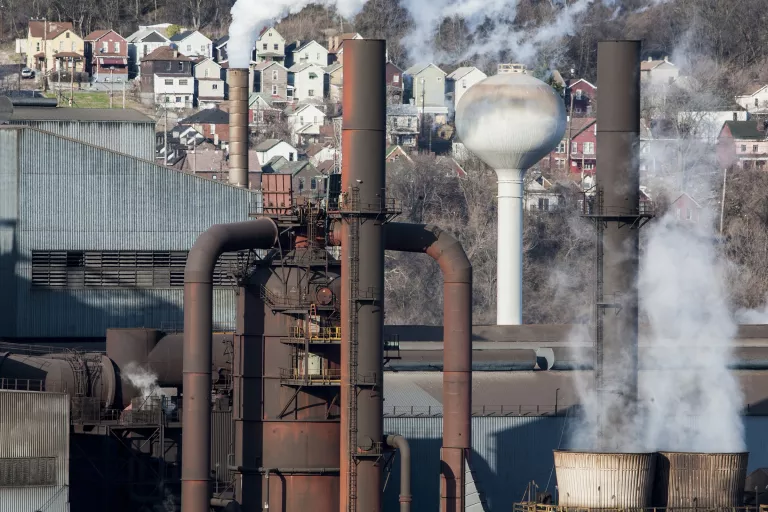
Industrial decarbonization must focus on scalable, economically viable solutions that reduce emissions while enhancing public health and creating high-quality, sustainable jobs. This is especially vital for developing nations, which must be empowered to grow without increasing their carbon footprint.
Technological Innovation: Tools for a Sustainable Future
Technology alone is not a silver bullet, but it is an essential part of the climate solution. A successful climate strategy must be grounded in the development and deployment of clean, equitable, and safe technologies.
Priorities include longer-lasting batteries for electric vehicles, non-polluting hydrogen fuels, and carbon capture and sequestration technologies that are both reliable and community-safe.However, innovation must be pursued responsibly.
We must avoid the mistakes of the past—such as the environmental degradation caused by lithium mining, or the misuse of carbon capture as a loophole for continued fossil fuel reliance.
Equally important is ensuring that clean technologies are recyclable, as in the case of solar panels and batteries, to reduce the long-term environmental burden.To accelerate this progress, public investment is essential.

Governments must prioritize clean energy innovation through grants, subsidies, tax incentives, and strategic partnerships. By doing so, we can build a technological foundation that supports a low-carbon economy while preserving ecosystems and public health.
Individual & Collective Action: The Power of People
While systemic change is critical, the role of individuals cannot be overstated. Each of us has a part to play—whether by reducing our personal carbon footprints, advocating for bold climate policies, or supporting sustainable businesses.
Choices related to energy use, transportation, diet, consumption, and waste all add up. But more importantly, when we organize and act collectively, the impact is transformative.
From halting pipelines to defending neighborhoods from industrial pollution, grassroots movements have demonstrated how local action can drive global change.
These victories not only reduce emissions but also safeguard the right to clean air and water—especially in marginalized communities disproportionately affected by environmental harms.However, climate justice must be central to any solution.
Low-income communities and communities of color, who bear the brunt of climate impacts, must be included in decision-making and benefit from the transition to a cleaner economy. Climate action must not shift burdens from one population to another—it must lift everyone.
Frequently Asked Questions (FAQs)
Why is heavy industry such a major contributor to climate change?
Heavy industry is responsible for a large share of global greenhouse gas emissions—about 40% globally and 25% in the U.S.—due to the production of highly carbon-intensive materials such as cement, steel, chemicals, and aluminum. These processes often require extreme heat and fossil fuels, making them difficult to decarbonize without major innovation.
What are some realistic ways to reduce industrial emissions?
Industrial emissions can be significantly reduced through a combination of clean energy adoption, electrification of processes, carbon capture technologies, and material efficiency improvements. Retrofitting existing facilities and designing new infrastructure with sustainability in mind are also essential steps.
How can technology help fight climate change?
Technology plays a crucial role in enabling a sustainable future. Innovations like longer-lasting electric vehicle (EV) batteries, clean hydrogen fuels, and carbon sequestration systems offer practical pathways to reduce emissions. However, technology must be developed and implemented responsibly and equitably, ensuring environmental and social safeguards.
Isn’t carbon capture just a way to keep polluting?
It can be—if misused. Carbon capture should not be an excuse to prolong fossil fuel use. Instead, it should serve as a transitional tool in sectors that are hard to decarbonize. It must be part of a broader strategy that includes emissions reduction, clean energy deployment, and justice-centered policies.
Why is climate justice important in these solutions?
Climate change disproportionately impacts low-income communities and communities of color, who often face the greatest exposure to pollution and climate-related disasters. Solutions must therefore prioritize these communities by ensuring inclusive decision-making, fair access to green jobs, and benefits from cleaner air, water, and energy.
How can governments support clean technology development?
Governments can accelerate clean innovation through public funding, tax incentives, research grants, and strategic subsidies. By making climate-friendly technologies more affordable and scalable, policymakers can ensure both domestic and global adoption—especially in developing countries.
Conclusion
The path to solving the climate crisis is complex, but not out of reach. It demands action across every level of society—from rethinking how we power our industries and advance clean technologies, to holding ourselves accountable for the choices we make as individuals and communities. The heavy industries that once fueled economic growth must now transform into engines of low-carbon innovation. Likewise, the technologies we champion must be implemented with equity, sustainability, and long-term impact in mind.